Staging Ideas: How To Give Your Event A Little Flair
Give Your Staging Some Thought
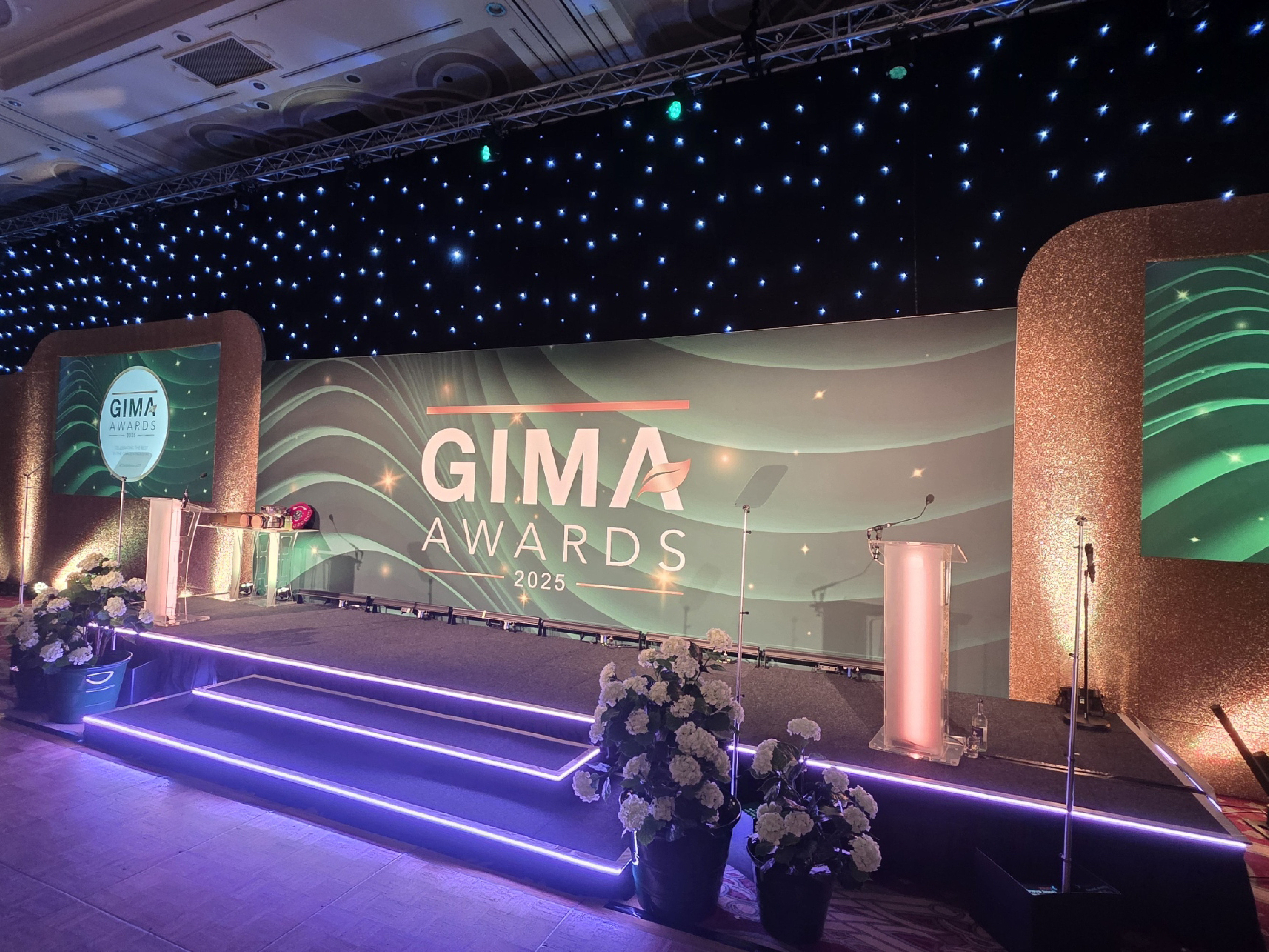
When people think about conferences, their minds usually concentrate on the target audience, the design of the backdrop and branding opportunities, booking the keynote speakers and maximising the networking opportunities. Rarely does anyone pause to consider the staging that will be used —the raised platform at the front of the room where speakers stand and ideas are delivered. Yet this seemingly simple structure is far more than a physical surface to stand on. The design of a raised stage at a conference plays a critical role in shaping perception, communication, engagement, and even the success of the event itself.
At its most basic level, a raised stage exists to solve a practical problem: visibility. In a crowded room, elevation keeps the speaker visible from all angles, removing physical barriers between presenter and audience. But good staging design goes far beyond merely lifting a person above eye level. It actively enhances how a message is received. A well-designed stage considers sightlines, distance, and proportion, ensuring that every attendee—whether seated in the front row or at the very back—feels equally included in the experience.
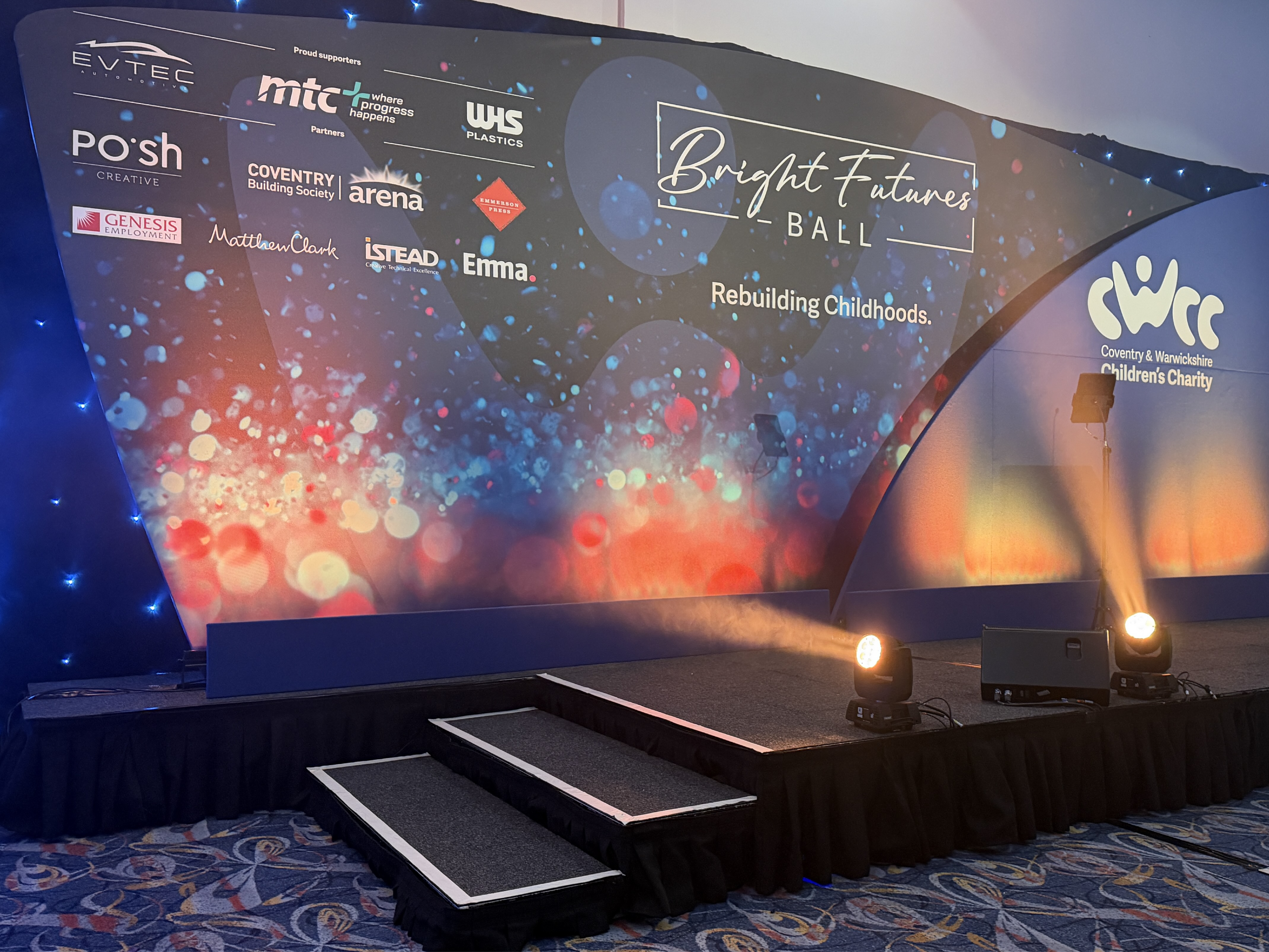
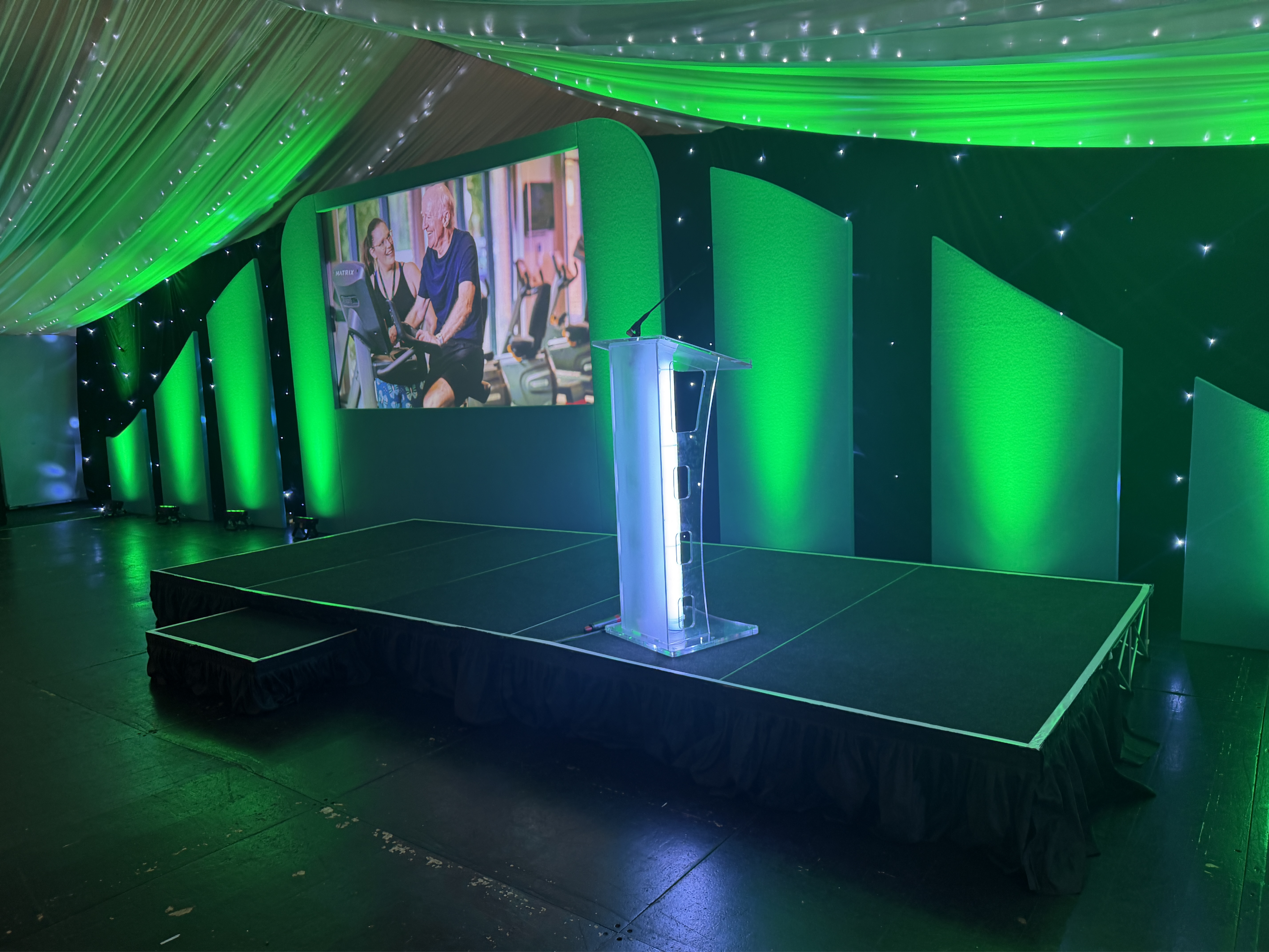
Beyond visibility, the stage establishes authority. Elevation has long been associated with importance, from ancient forums to modern lecture halls. When a speaker steps onto a raised platform, they are instantly framed as a focal point. This psychological effect is subtle but powerful. It signals to the audience that what is happening on that stage matters. However, the degree of elevation and the openness of the design can also influence how approachable the speaker feels. A stage that is too high or too distant can create a sense of separation, while a lower, more integrated platform fosters intimacy and connection. Striking the right balance is essential.
Transform your stage from functional to unforgettable
The design of a conference stage also communicates brand identity and tone. Whether minimalist and sleek, or bold and theatrical, the stage acts as a visual anchor for the entire event. Materials, colours, lighting and layout all contribute to the atmosphere. A technical conference might suit clean lines and dynamic lighting to signal innovation, whilst a creative sales event may embrace more artistic staging with designated areas for podium based presentations and a seating area for panel sessions. Consider raising seating areas so guests at the back of the room can see seated panellists.
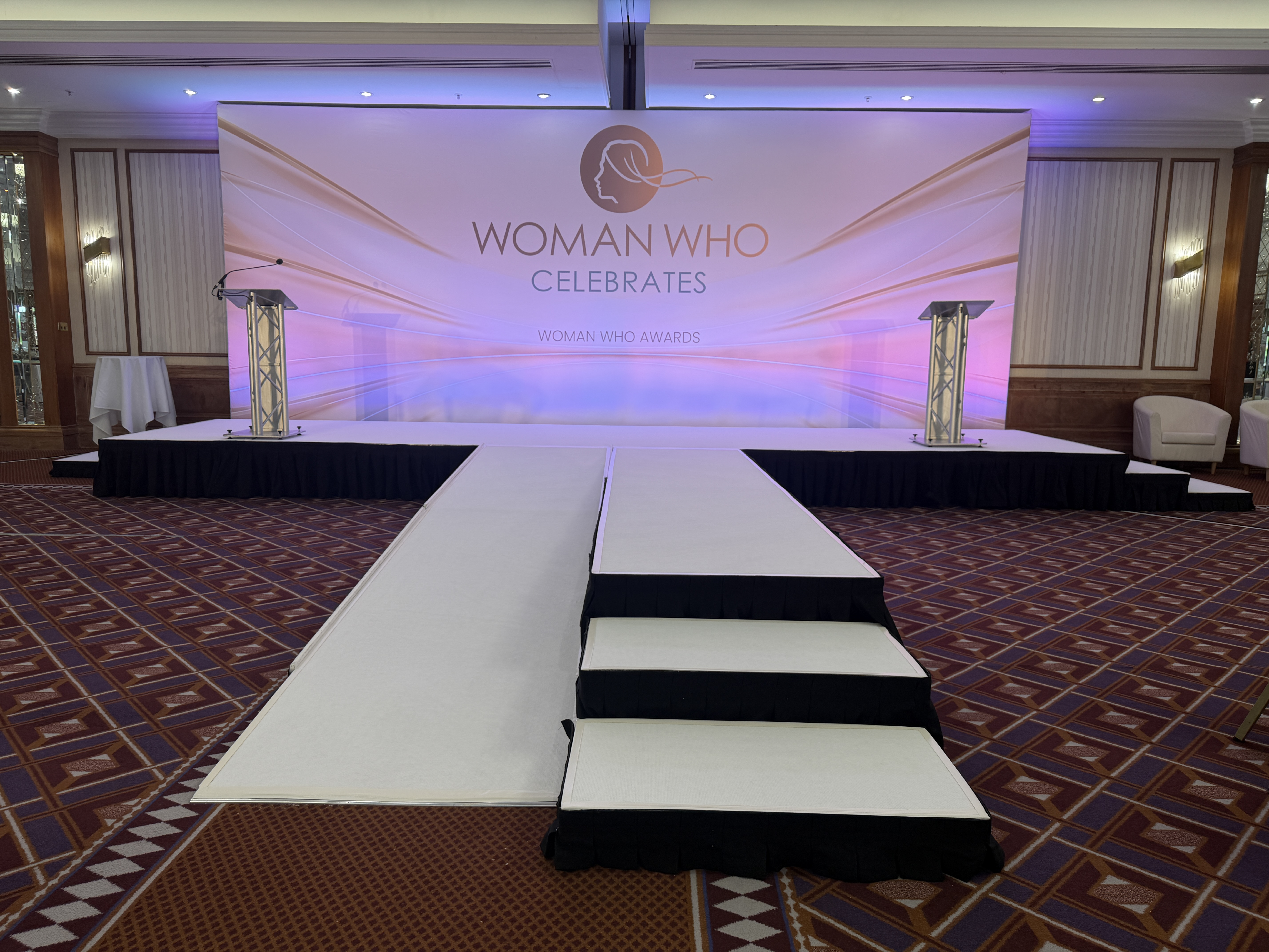
Stage design often overlooks acoustics. A basic stage provided by the venue will typically be the foldout type that has a simple wooden top. Whilst it provides the basic elevation of the presenters, every footstep on bare wood will be audible. A bespoke event stage will feature carpet to deaden sound, helping guests focus on your words rather than your footsteps.
The stage also affects how speakers move and present. A thoughtfully designed platform provides enough space for natural movement, enabling presenters to use body language effectively. It may include multiple access steps or ramps that allow for smooth transitions between speakers. Some stages incorporate different levels or zones, giving presenters the ability to shift physically as they move between topics or formats.
Small design choices can make a big impact on your event.
Accessibility is another crucial consideration. A truly effective stage design ensures that all speakers, regardless of physical ability, can access and use the platform comfortably. This includes features such as ramps and non-slip surfaces. Accessibility is not just a compliance requirement; it is a reflection of the event’s inclusivity and values. A stage that welcomes everyone sends a powerful message about who belongs in that space.
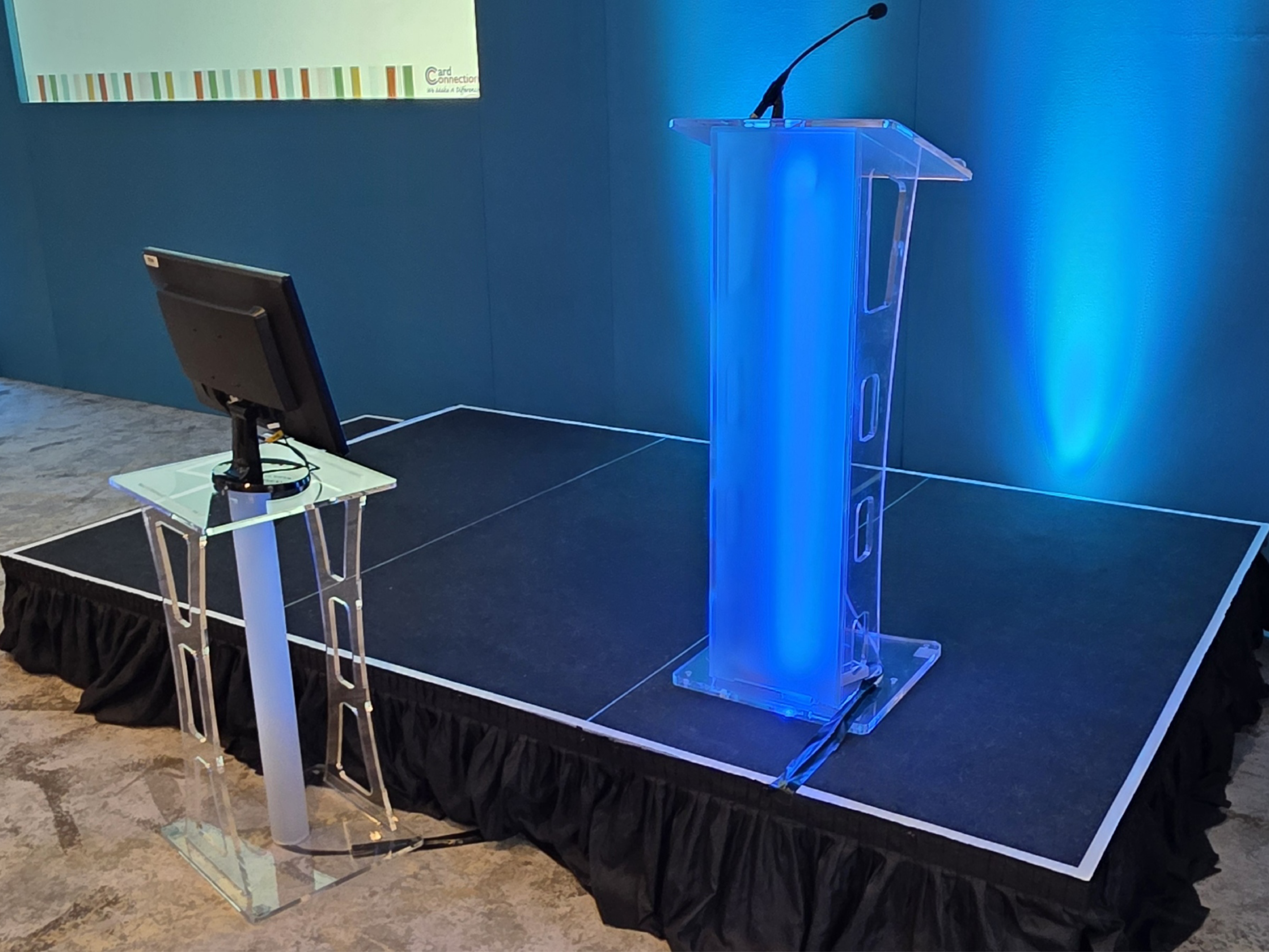
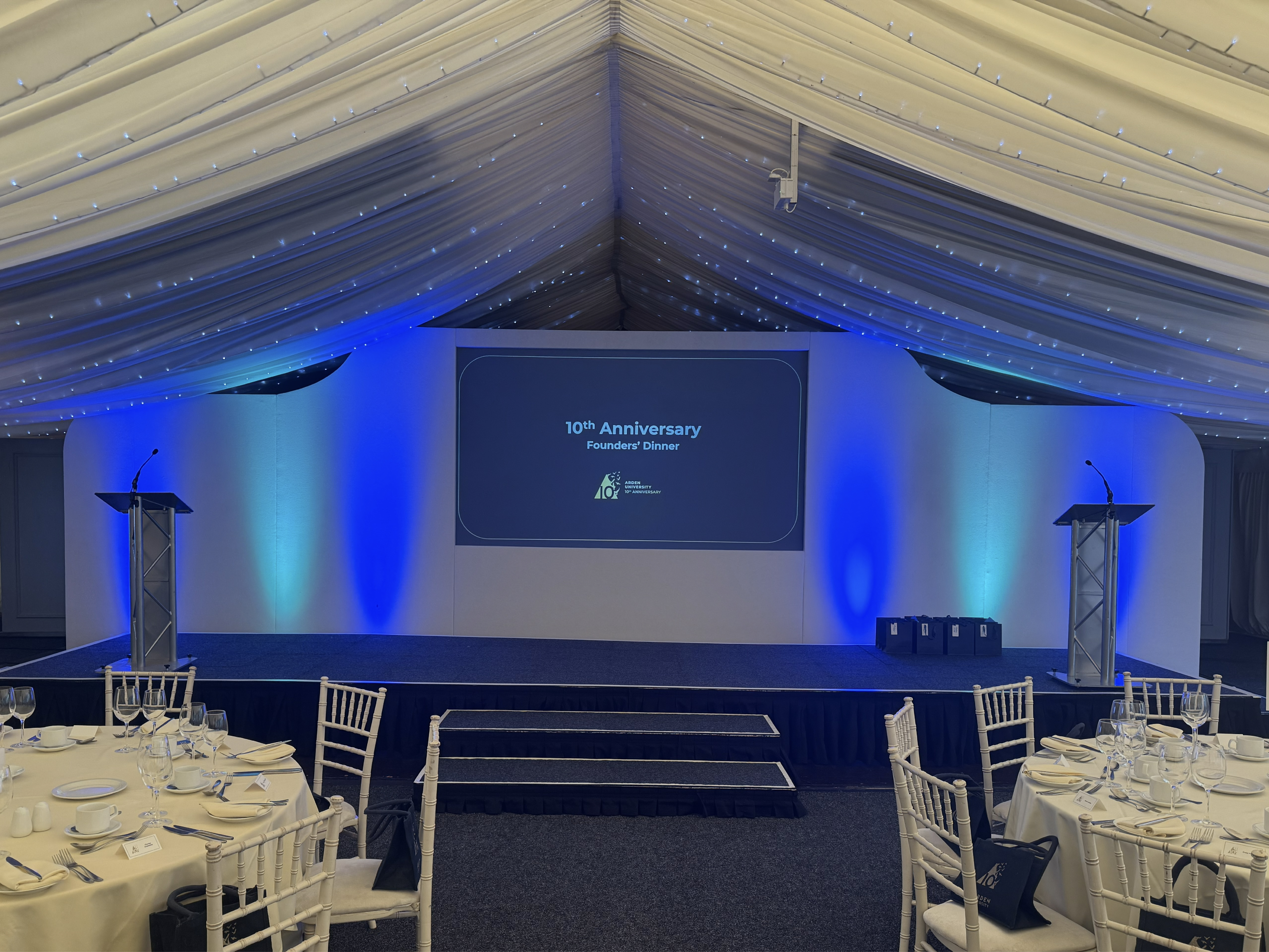
Safety, too, cannot be overlooked. The structural integrity of the stage, the stability of its surface, and the management of cables and equipment all contribute to a secure environment. A poorly constructed stage poses risks for both safety and the perceived quality of the event. Typical venue staging uses separate, unclamped pieces, causing wobbling and squeaking as presenters move across the stage. A professionally built stage uses a single fixed structure, preventing movement between decks and giving presenters confidence to move freely without distraction.
In a world where conferences compete to capture attention and deliver memorable experiences, overlooking the importance of stage design is a missed opportunity. When designed thoughtfully, it elevates not just the speaker, but the entire event. So the next time you attend a conference, take a moment to look beyond the presentations themselves. Notice the stage—the height, the layout, the materials. Consider how it influences what you see, hear, and feel. You may find that this often-ignored element is quietly doing some of the most important work of all.
Follow us on our Socials
Interested to see more? Visit our TikTok and Facebook pages to see the latest goings on at Istead AV. There we showcase what the Istead team get up to on a weekly basis.
Get in touch on our contact us page and we’ll get back to you shortly.